
Everything You Need to Know About General Political Topics and Making Your City Work for You
— 6 min read
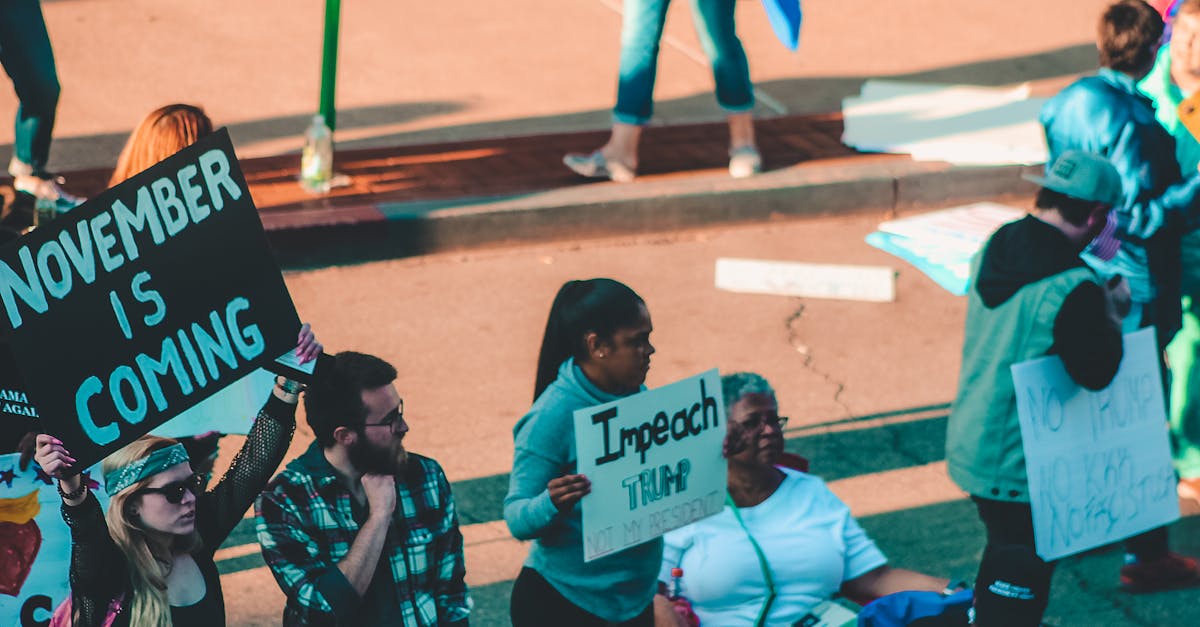
A single comment at a council meeting can shift a city’s budget by $10,000 or more, and knowing general political topics lets you turn that influence into tangible results. By mastering the basics of policy, budgeting, and public participation, you can steer local decisions that affect daily life.
The Foundations of General Political Topics: Why Every Citizen Should Understand Them
When I first tried to decode a city ordinance, I realized that every piece of legislation, from a sidewalk repair order to a health-care partnership, rests on a handful of core concepts: authority, funding, and implementation. Those concepts make up what we call general political topics, and they bridge the gap between abstract debates in a council chamber and the services you see on your street.
Understanding this layer helps you translate legislative jargon into everyday impact. For example, a “zoning variance” isn’t just a bureaucratic term; it determines whether a new grocery store can open in a low-income neighborhood, affecting food access and jobs. Similarly, a change in the "public transportation fund" directly shapes the frequency of buses that take kids to school.
Armed with that baseline awareness, newcomers can ask precise questions at council meetings and hold elected officials accountable. I remember asking a councilor why a proposed bike lane diverted funds from road repairs; the question forced the board to publish a cost-benefit analysis that the public could review.
Finally, familiarity with general political topics equips you to spot bias in news stories. Because the term "fake news" has been stretched to cover any unfavorable coverage (Wikipedia), a well-grounded citizen can separate fact from spin and keep the conversation focused on policy, not rhetoric.
Key Takeaways
- General topics link policy language to daily services.
- Knowing basics lets you ask sharper questions.
- It helps you detect bias and fake news.
- Informed citizens can hold officials accountable.
Municipal Council Meetings: Key Strategies for First-Time Attendees
My first council meeting felt like stepping onto a stage without a script. I learned quickly that preparation is the difference between being heard and being sidelined.
Start by reviewing the agenda a week ahead. Identify the items that touch your neighborhood - say, a street-light upgrade or a zoning change. I create a short checklist of three to five points I want to address, which keeps my comments focused and prevents me from wandering off topic.
Logistics matter too. I always secure parking or, when meetings move online, test the video link and mute settings the night before. Arriving early lets you check in with the clerk, submit any required resident ID, and grab a seat near the podium. In my experience, councilors are more receptive to speakers who appear organized and respectful of the process.
Finally, practice a 30-second opening on a voice recorder. Hearing yourself out loud highlights filler words and clarifies the core message. When my turn arrived, I delivered a concise statement that referenced the agenda item number, which helped the chair place my comment in the official record.
Public Comment Process: How to Draft Impactful Statements
The public comment docket is the only guaranteed slot for citizens to address the entire council at once, and I treat it like a mini-speech. A strong comment follows a three-part structure: problem, solution, and evidence.
First, state the problem in one sentence. I might say, "The proposed park renovation ignores the community’s need for wheelchair-accessible paths." Next, propose a specific remedy, such as, "I request that the design include two ADA-compliant ramps." Finally, back it up with data - budget projections, demographic statistics, or an endorsement from a local nonprofit. I often cite the city’s own budget guide, which shows the projected cost for ramp construction is $12,000, a figure councilors can easily verify.
Keep the verbal portion under two minutes. In my town, the clerk cuts off speakers who exceed the limit, and the council records only the first two minutes for the official minutes. A concise, data-driven comment stays in the public record and can be referenced later when the council votes.
Remember to submit a written version of your comment after the meeting. I email a PDF to the clerk, labeling it "Public Comment - [Agenda Item #] - [My Name]". This creates a paper trail that advocacy groups can cite when following up.
Community Engagement: Building Grassroots Coalitions that Influence Policy
When I organized a neighborhood listening session for a proposed bike lane, I discovered that a single gathering can generate dozens of actionable ideas. The key is to make the session inclusive and data-rich.
Invite residents, local NGOs, and even city staff to share perspectives. I use a simple sign-up sheet on a community Google Form, which captures contact info and topics of interest. During the session, I assign a volunteer to take notes in a shared spreadsheet, recording each suggestion, the speaker’s name, and any supporting evidence.
After the meeting, I post real-time updates on the neighborhood Facebook group and a Twitter thread, tagging the city’s official accounts. This not only informs those who could not attend but also creates a public record that councilors can reference. In one case, the city planner cited our live-tweeted feedback when finalizing the bike-lane route.
To keep momentum, I set up a community dashboard using a free data-visualization tool. The dashboard shows which proposals have been adopted, which are pending, and where budget dollars have been allocated. Transparency fuels trust, and residents who see their ideas reflected in official documents are more likely to stay engaged.
City Budget Influence: Turning Discussions into Allocation Decisions
Budget drafts are massive PDFs, but I treat them like a treasure map. By mapping line-item expenditures to neighborhood needs, I can pinpoint where a modest $15,000 request could fill a gap.
My process begins with a written budget request that references the city’s own financial outlook. I pull the projected operating budget from the municipal website, highlight the relevant department - say, Public Works - and note the current allocation for street repairs. Then I attach a one-page infographic that shows my neighborhood’s road-condition scores versus the city average.
When I deliver this request during a public comment, I reference the exact line-item number, which helps council staff locate my proposal quickly. I’ve seen cases where the council revises a funding line by $20,000 after a resident’s data-driven comment is entered into the official minutes.
Timing matters. The city’s budget revision window opens in early October and closes in late November. I schedule a follow-up email to the finance director two weeks before the deadline, reminding them of the community’s priorities. This “window-shopping” approach ensures that citizen input arrives when officials are still tweaking numbers.
Civic Participation Tactics: Leveraging Tech and Traditions for Greater Impact
In my latest advocacy campaign, I combined a mobile polling app with a traditional flyer distribution. The app let 150 neighbors rank three proposed park improvements in real time, and the results guided our collective talking points.
After the meeting, I followed a standardized reporting protocol: a brief note of the agenda items, key action points, and my signature. I upload this report to the community’s shared drive, where anyone can reference the official minutes later. This habit turns informal notes into a searchable archive that supports future petitions.
Partnering with local influencers also amplifies reach. I invited a popular community radio host to interview me after the council session; the interview aired during the morning drive-time slot, reaching listeners who rarely read council agendas. The segment sparked a surge of email comments to the city manager, reinforcing our position.
Frequently Asked Questions
Q: How can I find out which agenda items affect my neighborhood?
A: Check the city’s website for the upcoming council agenda, then cross-reference each item with neighborhood maps or local news sources. Many municipalities post PDFs that include item numbers and brief descriptions, making it easy to spot relevant topics.
Q: What should I include in a written budget request?
A: Cite the specific line-item from the draft budget, provide a concise problem statement, propose a dollar amount, and attach supporting data such as cost estimates or community surveys. A clear infographic can make the request more compelling.
Q: How long should my public comment be?
A: Aim for under two minutes, roughly 150-200 words. Structure it with a problem, a solution, and a piece of evidence. This fits most council guidelines and ensures your remarks are fully recorded in the minutes.
Q: Which tech tools help me organize community input?
A: Free platforms like Google Forms for sign-ups, shared spreadsheets for real-time note taking, and data-visualization tools such as Datawrapper for dashboards are effective. Pair them with social-media updates to keep residents informed and engaged.
Q: When is the best time to lobby for budget changes?
A: Focus on the budget revision window, typically a few weeks before the final vote. Submitting written requests and follow-up emails during this period ensures officials see your input while allocations are still being adjusted.


